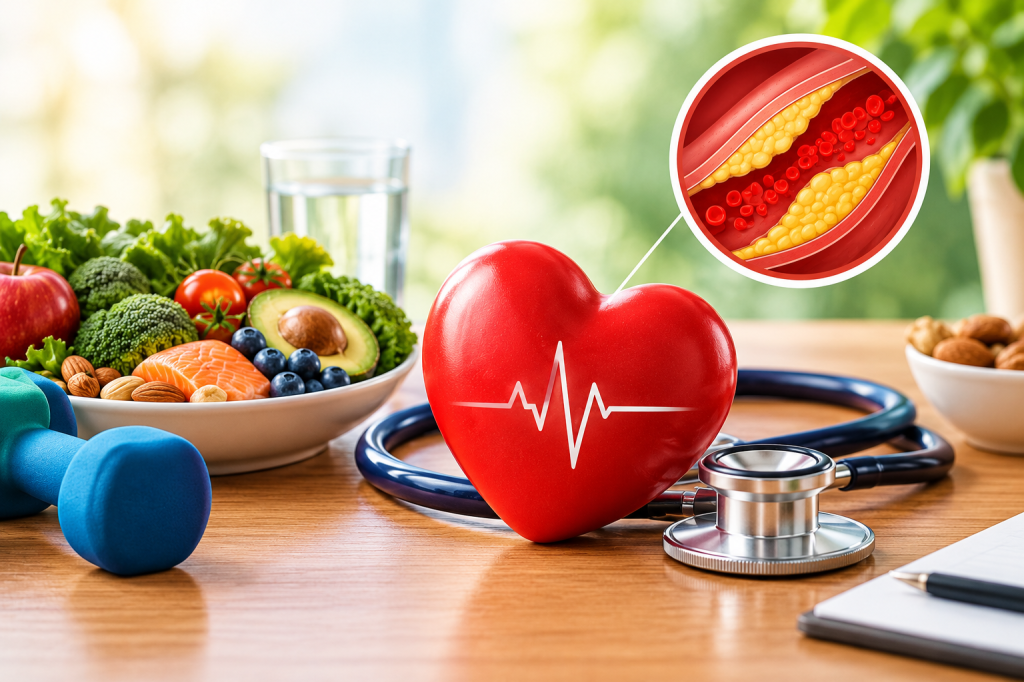
When we think about heart health, we often focus on blood pressure, diabetes, exercise and smoking. But cholesterol and other blood lipids are equally important—and they can cause damage silently for years.
What are lipids?
A lipid profile measures several types of fats in your blood:
- LDL cholesterol: Often called “bad cholesterol.” High levels contribute to plaque buildup in arteries.
- HDL cholesterol: Often called “good cholesterol.”
- Triglycerides: Another type of blood fat that can become elevated with obesity, diabetes, unhealthy diet and excess alcohol.
- Total cholesterol: The overall amount of cholesterol in your blood.
Among these, LDL cholesterol is a major target for preventing heart attacks and strokes.
Why is high cholesterol dangerous?
High cholesterol usually causes no symptoms. Over time, excess LDL can contribute to atherosclerosis—the buildup of plaques inside arteries.
These plaques can narrow arteries or suddenly rupture and form a blood clot, potentially causing a heart attack or stroke.
That is why waiting for symptoms is not a good strategy.
One target does not fit everyone
Your ideal LDL level depends on your overall cardiovascular risk.
People who have already had a heart attack, stroke, coronary stenting, or other cardiovascular disease generally require more intensive LDL lowering than people without established disease.
Diabetes, kidney disease, very high cholesterol and a strong family history may also increase cardiovascular risk.
Your doctor should therefore interpret your lipid profile together with your complete cardiovascular risk profile.
How can you control your lipids?
Eat better
Choose more vegetables, fruits, whole grains, pulses, nuts and other high-fibre foods. Reduce saturated and trans fats, highly processed foods and excess sugar.
Stay active
Regular physical activity improves cardiovascular and metabolic health and helps maintain a healthy weight.
Don’t smoke
Smoking damages blood vessels and greatly increases cardiovascular risk.
Control other risk factors
Blood pressure, diabetes, body weight and other cardiovascular risk factors should also be addressed.
Take medication when needed
Lifestyle changes are important, but some people need medication to achieve adequate LDL reduction. Statins are the foundation of cholesterol-lowering treatment for many patients, with other medications available when additional treatment is required.
Don’t wait for a heart attack
You cannot feel high cholesterol. A simple blood test can detect abnormal lipid levels, allowing you to take action before cardiovascular disease develops or progresses.
Know your numbers. Understand your cardiovascular risk. Discuss your LDL target with your doctor.
Protect your arteries today—for a healthier heart tomorrow.
This article is for general education and does not replace individual medical advice. Cholesterol targets and treatment should be tailored to each person’s cardiovascular risk.