Musings of a Cardiologist

Dr Jaideep das Gupta MD (Medicine), DM (Cardiology) (AIIMS)

Consultant Interventional Cardiologist

  • The above graph shows the 5 year survival of heart failure patients compared to the most common types of cancer among Scottish patients in 1991. Its clear from the above diagram that the mortality of heart failure is clearly worse than that of the most common types of cancer. In the Framingham study it was found that only 25% of the men and 32% of the women survived more than 5 years from the diagnosis of heart failure. Hence this fact should be a somber reminder of the importance of early diagnosis and treatment initiation for all patients experiencing symptoms of heart failure. On a brighter note the mortality from heart failure has seen a decreasing trend recently with the advent of new device or medical therapies.

  • In this generation of fast paced life with multiple options available all at the click of a button the risk of cardiovascular disease is increasing at an alarming rate especially among the young individuals. In my clinic I am seeing more of 20 and 30 years olds with coronary artery disease and many of them do not even have any of the usual risk factors for cardiac disease but still end up with multiple blocks in heart.

    In a recent meta-analysis published by the European journal of preventive cardiology it was seen that the amount of steps that a person takes per day is inversely correlated with the risk of cardiovascular disorders. The authors concluded from 17 studies including almost 227000 patients that sedentary lifestyle directly accounted for higher risk of cardiovascular disease and even a 1000 step increment leads to 15% decrease in all cause mortality. For the first time the study confirmed the notion of ‘the more the better’ i.e. the more the number of steps a person takes the lower the risk of cardiovascular disease appears to be.

    This study emphasizes the inclusion of even a simple morning walk routine could be effective in adding years to your life. The American college of cardiology recommends atleast 150 minutes of moderate activity to keep heart disease at bay. This could be a good starting point for people looking to keep their hearts healthy.

    1. Show up daily irrespective of how you feel.

    2. Wake up early.

    3. Tackle high-value tasks before 12 pm.

    4. Eliminate seed oils and alcohol.

    5. Drink more water.

    6. Hit the gym atleast 3x every week.

    7. Stop watching the mainstream media.

    8. Create multiple pieces of content.

    9. Sacrifice all the sources of instant gratification.

    10. Question your beliefs.

    11. Practice intermittent fasting once a week.

    12. Spend more time in nature.

    13. Get sunlight every day.

    14. Walk 30 minutes a day.

    15. Read 30 minutes a day.

    16. Invest at least 30% of your income.

    17. Move out of your hometown.

    18. Get 7-8 hours of sleep.

    19. Develop a high-quality circle.

    20. Give back to society.

  • Recently I came across these fine points about life some of which may be applicable to improve all of our lives.

    Have a firm handshake.
    Look people in the eye.
    Sing in the shower.
    Own a great stereo system.
    If in a fight, hit hard and hit first.
    Keep secrets.
    Never give up on anybody.
    Always accept an outstretched hand.
    Be brave. Even if you’re not, pretend to be. No one can tell the difference.
    Whistle.
    Avoid sarcastic remarks.
    Choose your life’s significant other carefully. From this one decision will come 90 percent of all your happiness or misery.
    Make it a habit to do nice things for people who will never find out.
    Lend only those books that you never tend to send again.
    Never deprive someone of hope; it might be all they have.
    When playing games with children, let them win.
    Give people a second chance, but not a third.
    Be romantic.
    Become the most positive and enthusiastic person you know.
    Loosen up, Relax. Except for rare life-and-death matters, nothing is as important as it first seems.
    Don’t allow the phone to interrupt important moments. It’s there for our convenience, not the caller’s.
    Be a good loser.
    Be a good winner.
    Think twice before burdening a friend with a secret.
    When someone hugs you, let them be the first to let go.
    Be modest. A lot was accomplished before you were born.
    Keep it simple.
    Beware of the person who has nothing to lose.
    Don’t burn bridges. You’ll be surprised how many times you have to cross the same river.
    Live your life so that your obituary could read, No regrets.
    Be bold and courageous. When you look back on life, you’ll regret the things you didn’t do more than the ones you did.
    Never waste an opportunity to tell someone you love them.
    Remember no one makes it alone. Have a grateful heart and be quick to acknowledge those who helped you.
    Take charge of your attitude. Don’t let someone else choose it for you.
    Visit friends and relatives when they are in the hospital; even if it is just for a few minutes
    Begin each day with some of your favorite music.
    Once in awhile, take the scenic route.
    Send a lot of Valentine cards. Sign them, “Someone who thinks you’re terrific.”
    Answer the phone with enthusiasm and energy in your voice.
    Keep a notepad and pencil on your bed-side table. Million-dollar ideas sometimes strike at 3 a.m.
    Show respect for everyone who works for a living, regardless of how trivial their job.
    Send your loved ones flowers. Think of a reason later.
    Make someone’s day by paying the toll for the person in the car behind you.
    Become someone’s hero.
    Marry only for love.
    Count your blessings.
    Compliment the meal when you’re a guest in someone’s home.
    Wave at the children on a school bus.
    Remember that 80 percent of the success in any job is based on your ability to deal with people.
    Don’t expect life to be fair.

  • Image


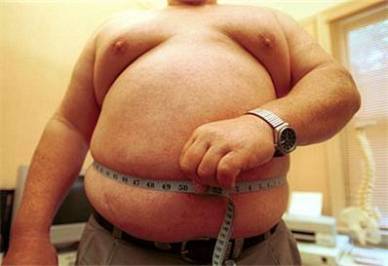
    British scientists have found you can lose weight without dieting – by replacing high-fat foods with their low-fat counterparts.


    Writing in the British Medical Journal,  researchers from the University of East Anglia found that people who switched out high fat foods with low-fat substitutes lost about 1.6 kg over six months without any additional dieting.

    They also found lowering fat in your diet provides additional health advantages, such as lowering blood pressure and bad cholesterol levels.

    The researchers believe their findings could play a role in dietary recommendations to help in the worldwide battle against obesity. The WHO and other public health organizations say obesity is a major risk factor for high blood pressure, cardiovascular diseases, diabetes, some cancers and musculoskeeletal disorders such as the highly disabling degenerative disease of the joints, osteoarthritis


    Looking to update its guidelines on total fat intake, the WHO recently commissioned a study to evaluate the relationship between the amount of fat and fatty products  consumed in daily diets and various indicators of body fatness such as total weight, waist size and/or body mass index (BMI).

    For their study, the researchers evaluated 33 trials in North America, Europe and New Zealand, involving 73,589 participants of various ages and states of health.

    Researchers compared the waistline measurements and weight of participants who ate a reduced-fat diet with those whose diet included the usual amounts of fat for at least six months.

    Along with the loss of 1.6 kg of body weight, they also found that the participants reduced their total BMI by 0.56kg/m² – kg per square meter -and cut their waist circumference by 0.5cm.

    Wondering if the weight reduction by those in the group that consumed few fats was due in part to the additional time, attention and support they received, compared to those in the normal fat intake group, researchers looked to studies where both groups were given equal time and attention and found that the weight reduction did not disappear suggesting that the weight loss was really due to lower fat intake.


  •   Image

    The study followed 31,546 adults ages 55 and older in 14 countries who were enrolled in two separate clinical trials of blood pressure-lowering medications. All of the people had a history of heart disease, stroke, peripheral arterial disease, or diabetes with organ damage. All of them were considered at high risk for heart attack, stroke, or other heart-related complication.

    Researchers asked them about how often they ate foods like fruits, vegetables, grains, fish, meat, poultry, and dairy products in the past 12 months.

    Diets were given an overall heart-healthy score based on how frequently people ate healthy foods like fruits and vegetables. Higher scores were also given to diets that included a higher amount of fish relative to meat, poultry, and eggs and those that included whole grains and fewer deep-fried foods.

    During nearly five years of follow-up, 5,190 heart- or stroke-related problems were reported in the study.

    The results showed those who ate the most heart-healthy diets had lower risk of heart disease, stroke, or death due to either condition compared to those who ate the most unhealthy diets, regardless of the type or combination of heart medications they took or their nationality, income level, age, or other heart disease risk factors.

    Experts say many studies have already proven the benefits of eating a heart-healthy diet in preventing heart diseases in healthy people.

    But this study is noteworthy because it is the first major, international study to show heart-healthy diets also benefit those who are already on medication for existing heart disease.

  • Image

    10. Take a Breather

    It’s easy to take five minutes to relax. But we know, you never do it. Yet in only five minutes of breathing and calming down, you can achieve total relaxation and destress enough to be able to tackle the rest of the day with renewed energy. Here’s a list of relaxing breathing techniques that you can use in almost any office setting.

    9. Eat Well

    Vending machine junk food and the food cart down the street can lead to serious stomach issues, especially if you couple it with the stress you no doubt deal with on a daily basis. Use your lunch break to refuel your body with something healthy, and not comforting, and pair it with a five minute walk around your office (or better yet, the block). The best option is bringing your own lunch, where you can control what goes in it.

    8. Eat Less

    If you’re overweight, go on a diet now. Finance usually equals stress, and stress plus being overweight often equals heart issues. There are plenty of diets out there, from the famous to the downright bizarre. More info on the most successful and well known diet plans out there can be found all over the Internet. (Even if you aren’t overweight, you should control your calorie intake and the types of food you are eating.)

    7. Yoga

    Yoga might seem like a ‘light’ alternative to working out in the gym, but don’t be fooled. While yoga doesn’t ask you to lift weights or do repetitions, it often asks you to hold positions, and that can be just as hard if not harder. Try holding your arms extended for 20 minutes and you’ll understand why. Yoga is also good for clearing your mind, as you focus on your breating. Best of all: unless you hit a hot yoga class, you won’t sweat like crazy, so you can schedule a yoga class during lunch.

    6. Running

    Running is great for your heart and great for losing weight. It is also extremely good for relaxing and freeing yourself from stress it releases natural endorphins. Best of all, with a pedometer or similar gadget, it’s easy to keep track of your activity level and quantify into calories.

    5. Biking

    Biking to work is fantastic, especially if you work in the City. It’s more fun than the Tube, and cheaper and faster than driving. And while biking might not be too pleasant on a rainy day in November, it is just as exhilarating, and will put you in a good mood for the rest of the day.

    4. Stop Smoking

    Come on, who smokes anymore? With smoking bans going up almost everywhere, and packs costing their weight in gold, quit while you’re ahead. Give up on the nasty habit and not only will you live longer and lower your risk of heart attack and getting cancer, but you’ll look healthier. And did we mention you’ll smell better?

    3. Lift Weights

    If you want to step it up, cardio isn’t enough. To burn calories and build muscle, you either need to take up weight lifting or swimming. While the latter is more pleasant, it also takes longer and we are working on a schedule here. Weight lifting is easily scalable and satisfying, and it gets your metabolism pumping so you burn more fat.

    2. Football

    The world’s most popular game is a perfect way to socialize with the other people while working out. Not only is it a good work-out, but it brings out the competitive spirit in people (and we know you’ve got a little of that going on).

    1. The Ironman Challenge

    If these are all too pedestrian for you, then Ironman challenges are amongst the top achievements in the world of fitness, and chances are at least five guys on your trading floor have done one. This extended triathlon consists of a 2.4 mile swim, a 112 mile bike leg and a 26.5 mile marathon run that pushes the contestants to the edge of their ability and beyond.

  • Image

    Drink water

    The body needs water — multiple glasses a day.

    Being hydrated is an easy and inexpensive way to increase energy levels. You don’t need vitamin water or sports drinks; they only add extra unneeded calories. Keep a fresh water source with you at all times and drink throughout the day. Add lemons, limes or oranges for taste variety.

    Eat breakfast

    This is the meal that sets the stage for the entire day. Studies show that breakfast helps keep you alert, starts your metabolism for the day and keeps you satisfied until lunch.

    But a healthy breakfast is the key. Good options include whole-grain cereals, breads, fruit and lean protein instead of doughnuts, pastries and white breads. A hard-boiled egg sliced into a whole wheat pita, oatmeal with fruit, and whole-grain toast with natural peanut butter are all healthy choices.

    Don’t forget protein

    Not consuming enough protein during the day can be a primary reason for fatigue. Protein-based foods provide the body with fuel to repair and build tissues. Protein takes longer than carbohydrates to break down in the body, providing a longer-lasting energy source. You can find protein in poultry, fish, lean red meat, nuts, milk, yogurt, eggs, yogurt, cheese and tofu.

    Keep your carbs smart

    Carbohydrates are the body’s preferred source of fuel. Pick whole grains like cereal, brown rice and whole wheat bread, and avoid sweets, which cause energy to plummet. Many processed carbohydrates contain little to no fiber. Always read the nutrition label.

    Snacks are important

    If you let yourself get too hungry between meals, your blood sugar falls, and you get lethargic. Keep your blood sugar and energy level steady during the day by consuming snacks. Choosing the right snacks prevent peaks and valleys in energy.

    Combine complex carbs with a protein and/or fat for lasting energy. The protein and fat slow the breakdown of sugar into the blood, preventing fatigue. Snacks also can prevent overeating at mealtimes. A few examples of smart snack choices are yogurt with fruit, mixed nuts, veggies with hummus, pears with almond butter, whey protein shake or blueberries with a cheese stick. Plan ahead!

    Magnesium

    Almonds, walnuts and Brazil nuts are rich in magnesium, a mineral important in converting carbohydrates into energy. Other good sources of magnesium include whole grains and dark green vegetables.

    Don’t skimp on calories

    Skimping on calories decreases your metabolism and causes you to feel lethargic. Keep your energy levels high and increase metabolism by meeting your caloric needs each day. Whole foods are preferred over supplements to obtain protein, fiber, vitamins and minerals instead of one or two single nutrients. Consume a variety of foods for overall health but also to keep your energy levels high.

  • You’ve probably heard the news about several celebrities who’ve gone public with their decision to have their non-cancerous breasts removed and replaced with breast implants so they never have to worry about breast cancer. This must be because there is a strong likelihood these women will suffer from breast cancer if they don’t have mastectomies, right? Wrong.

    At least, that’s the news from University of Michigan (U-M) Comprehensive Cancer Center researchers. Their just released study makes a strong argument that a startling number of these breast removal surgeries, performed to supposedly prevent breast cancer, shouldn’t be done at all.

    In fact, the researchers found about 70 percent of women who have both breasts removed (technically called prophylactic mastectomy) following a breast cancer diagnosis in only one breast do so despite an extremely low risk of cancer developing in their healthy breasts. 

    However, the research team found that 90 percent of women who had surgery to remove both breasts claimed they were doing so because they were worried about a recurrence. “Women appear to be using worry over cancer recurrence to choose contralateral prophylactic mastectomy. This does not make sense, because having a non-affected breast removed will not reduce the risk of recurrence in the affected breast,” researcher Sarah Hawley, Ph.D., associate professor of internal medicine at the U-M Medical School, said in a media statement. “But this procedure is still done and it’s done in women who don’t need to have it done.”

    The new study points out that recent data has shown more and more women are having this super aggressive surgery which clearly amounts to over treatment. The researchers also note that this is not simply a cosmetic surgery procedure. A double mastectomy is a major operation that is associated with more complications and often a difficult recovery.

    It is true that some women with a family history of two or more immediate family members (mother, sister, daughter) who have had breast or ovarian cancer and/or who test positive for mutations in the BRCA1 or BRCA2 genes may be advised to consider having both breasts removed because they are at high risk of a new cancer developing in both breasts. But these women are the exception.

    “For women who do not have a strong family history or a genetic finding, we would argue it’s probably not appropriate to get the unaffected breast removed,” Hawley, who is also a research investigator at the Ann Arbor VA Center of Excellence in Clinical Care Management Research and a member of the U-M Institute for Healthcare Policy and Innovation, emphasized.

  • Teen Pregnancy

    When 15-year-old Kali Gonzalez became pregnant, the honors student considered transferring to an alternative school. She worried teachers would harass her for missing class because of doctor’s appointments and morning sickness.

    A guidance counselor urged Gonzalez not to, saying that could lower her standards.

    Instead, her counselor set up a meeting with teachers at her St. Augustine high school to confirm she could make up missed assignments, eat in class and use the restroom whenever she needed. Gonzalez, who is now 18, kept an A-average while pregnant. She capitalized on an online school program for parenting students so she could stay home and take care of her baby during her junior year. She returned to school her senior year and graduated with honors in May.

    But Gonzalez is a rare example of success among pregnant students. Schools across the country are divided over how to handle them, with some schools kicking them out or penalizing students for pregnancy-related absences. And many schools say they can’t afford costly support programs, including tutoring, child care and transportation for teens who may live just a few miles from school but still too far to walk while pregnant or with a small child.

    Nearly 400,000 girls and young women between 15 and 19 years old gave birth in 2010, a rate of 34 per 1,000, according to the Centers for Disease Control and Prevention.

    Those statistics have led child advocates to push for greater adherence to a1972 law that bans sex discrimination in federally funded education programs and activities, according to a new report by the National Women’s Law Center.

    Fatima Goss Graves, the center’s vice president of education and employment, says offering pregnant teens extra support would ultimately save taxpayers money by helping them become financially independent and not dependent on welfare.

    But budget cuts have eaten into such efforts.

    California lawmakers slashed a successful program for such students in 2008, ruling it was no longer mandatory, and allowed school districts to use the money for other programs.

    More than 100,000 pregnant and parenting students have participated in the program that helps them with classwork and connects them with social services. It boasted a 73 percent graduation rate in 2010 – close to the state’s normal rate – and advocates said participants were less reliant on welfare and less likely to become pregnant again. That compares to several counties where only 30 percent of pregnant and parenting teens graduated.

    “It’s unfortunate that this effective program fell prey to the enormous budget challenges we are facing as a state,” said State Superintendent of Public Instruction Tom Torlakson.

    Three years ago in Wisconsin, cost-cutting lawmakers dropped a requirement for school districts to give pregnant students who live within two miles of a school building free rides to school. The requirement had been part of an effort to improve access to education and reduce infant mortality rates.

    Less than half of the states have programs that send home assignments to homebound or hospitalized student parents, according to the study.

    In almost half of the states, including Idaho, Nevada, Nebraska, South Dakota and Utah, the definition of excused absences is not broad enough to include pregnant and parenting students. That typically results in a patchwork of policies where some school districts don’t excuse absences even if the student is in the hospital giving birth, according to the study.

    But a few states have developed programs to help improve graduate rates among pregnant girls and young mothers.

    In Washington, D.C., caseworkers in the New Heights Teen Parent Program often stand by the school entrance or text pregnant students and young moms to make sure they are attending classes.

    When students do miss school, caseworkers take them homework assignments. About 600 students participate in the program which also helps students with housing, child care and parenting skills. But the $1.6 million federal grant funding the program runs out next year and officials said they don’t have a clear future funding source.

    Roughly 4,500 male and female student parents participated in a Pennsylvania program last year where case workers helped them balance school and child care. Nearly 1,300 graduated or received an equivalent, state officials said. The ELECT program, which started in 1990 as a partnership between state child welfare and education officials, monitors students’ attendance, coordinates summer programs and links them with support systems in the community.

    Florida allows pregnant and parenting students to receive homebound instruction and lays out a clear process to make up missed work. The state also gives those students the option of taking online classes.

    In St. Johns County, where Gonzalez lives, the school district provides free day care for teen moms and bus transportation for students and their children.

    Pregnant students are often stereotyped as low-achievers, but advocates say pregnancy actually motivates some to do better in school.

    Gonzalez, whose daughter is now 2, said her grades improved after she became pregnant.

    “I did push myself a lot harder and I made sure that I wasn’t going to be that statistic,” said Gonzalez, who is now married and pursuing a nursing degree.